The need for change
In her book “To Live Until We Say Goodbye”, Elisabeth Kübler-Ross observed that the question of how to bring out a person’s potential for good was not asked by those “in the midst of the torrent of their lives, busy developing their careers, their studies, raising their families, making money and worrying about the future”. It was those going through a hard time or a life crisis who “wondered what they had made of their lives and what they could still do with what remained of them”.
As one of so many anonymous sages once put it, “life’s two great teachers are attention and pain”.
Like a pebble in your shoe, difficulty and discomfort come to us so that we pay attention to them, look them in the eye and answer the question they are asking. But we don’t always stop to see what it is that has got into our shoe. I wiggle my foot with great skill until I either manage to push the pebble to one side so I can’t feel it, or I start walking with a half-limp.
These are two very common strategies in our lives: I don’t have the time or the energy, and besides, I don’t like looking at what might be bothering me; and if my strength ever falters, I look for a quick, painless fix.
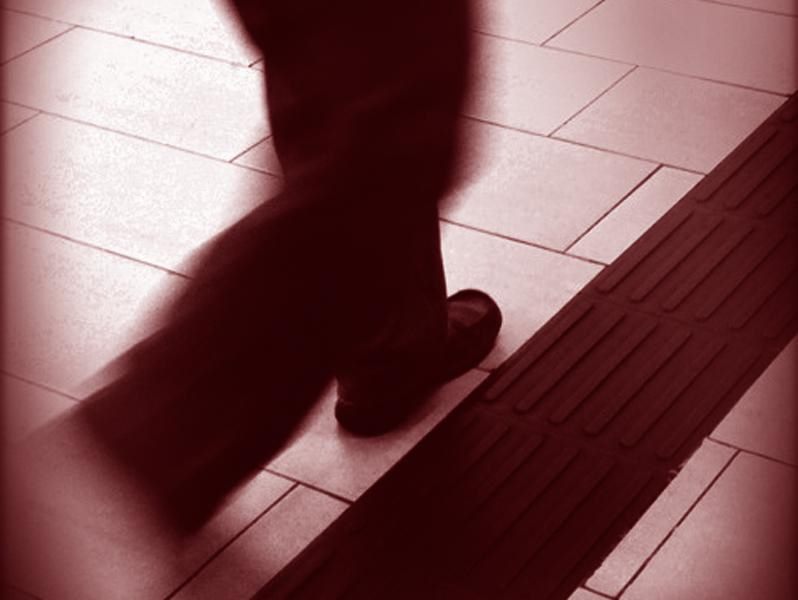
But if we stop for a moment, take off our shoe and catch the intruder in our hands, a smile suddenly appears on our face. Our muscles loosen, relieved not to have to strain any longer, and, as if after a great physical effort, we let out a big, satisfied breath, gather our strength, put our shoe back on and set off again.
And what if, when you stop and look at the pebble between your fingers, you could thank it? Because in that moment you realise you were tired, that you were hot, that there was a landscape around you that you hadn’t seen until then… or you simply allow yourself the luxury of gently rubbing your foot and giving it the rest it was crying out for.
Something we sometimes forget is that we are lucky enough to be able to choose freely where to place our attention: on whatever makes our reality more positive, or on something that doesn’t, and that won’t help us walk on more lightly.
During my years at university, one of the most beautiful lessons I learned was that “illness” also comes to help us: to alert us that something in our lives is unresolved, and that we need to give it the space and time it deserves in order to attend to it and resolve it.